
A digital camera that pretends to be analog
Back in 2019 I went to Finland with some friends. During this trip I took photos with my smartphone camera, but also with an analog film camera. After the trip, I had the photos developed and printed. Some photos I’d forgotten taking, some photos turned out differently than I expected. The photos from my smartphone, I barely even looked at. I want taking photos to be special again, but without the cost of buying and developing film. That’s why I decided to make DOkA.
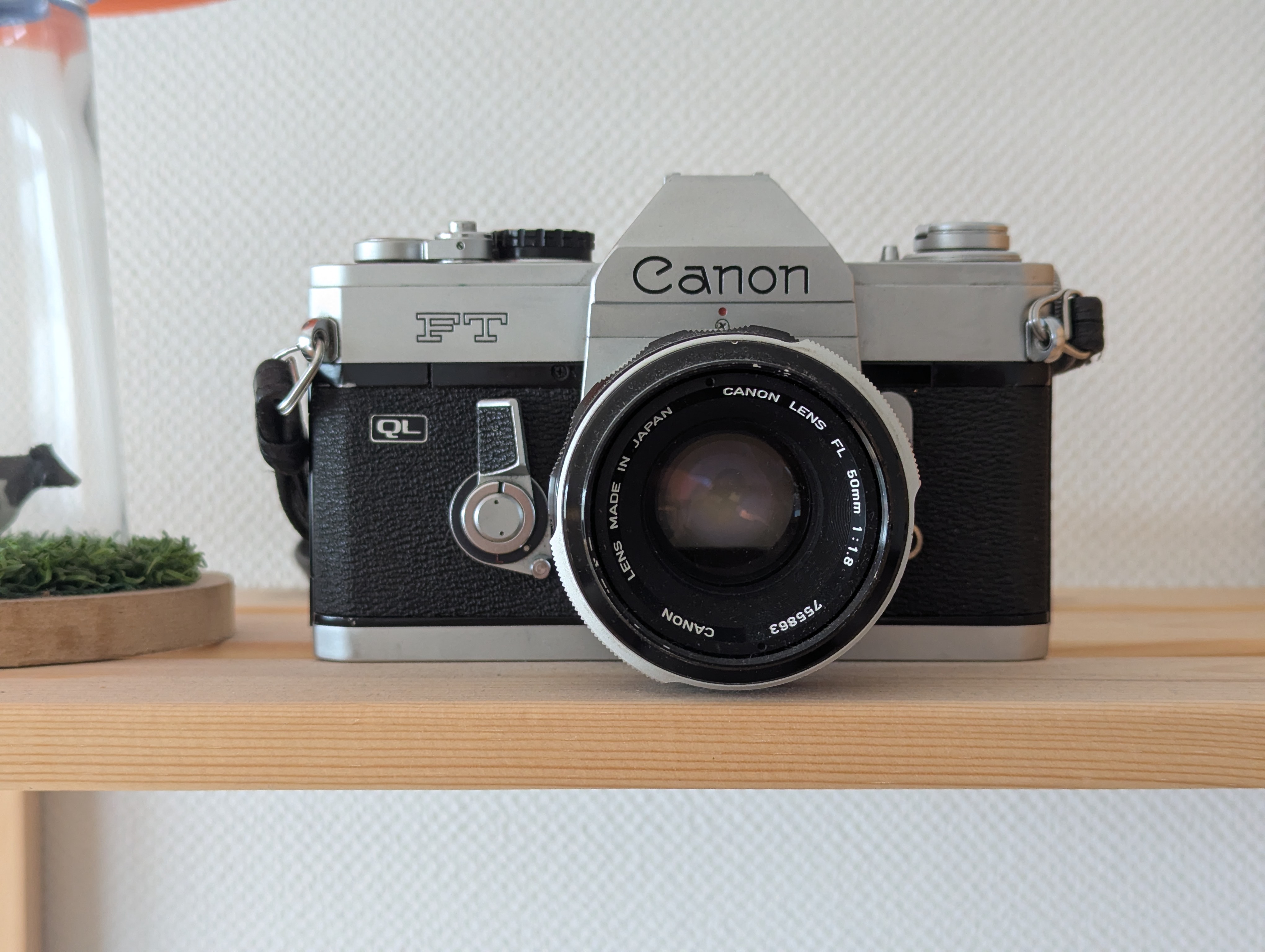
The name “DOkA” comes from “donkere kamer”, Dutch for “darkroom”. It reflects the intentional process of working with film.
DOkA behaves like an analog film camera, but is digital. Before you start taking photos, you have to select a film roll that determines the look of your photos. When the roll is full (36 exposures), you have to unload and develop the film. Developing takes time. At least 24 hours, maybe even longer. Once developed, you can download the photos over USB or through a web page that is hosted locally. No accounts or subscriptions required.
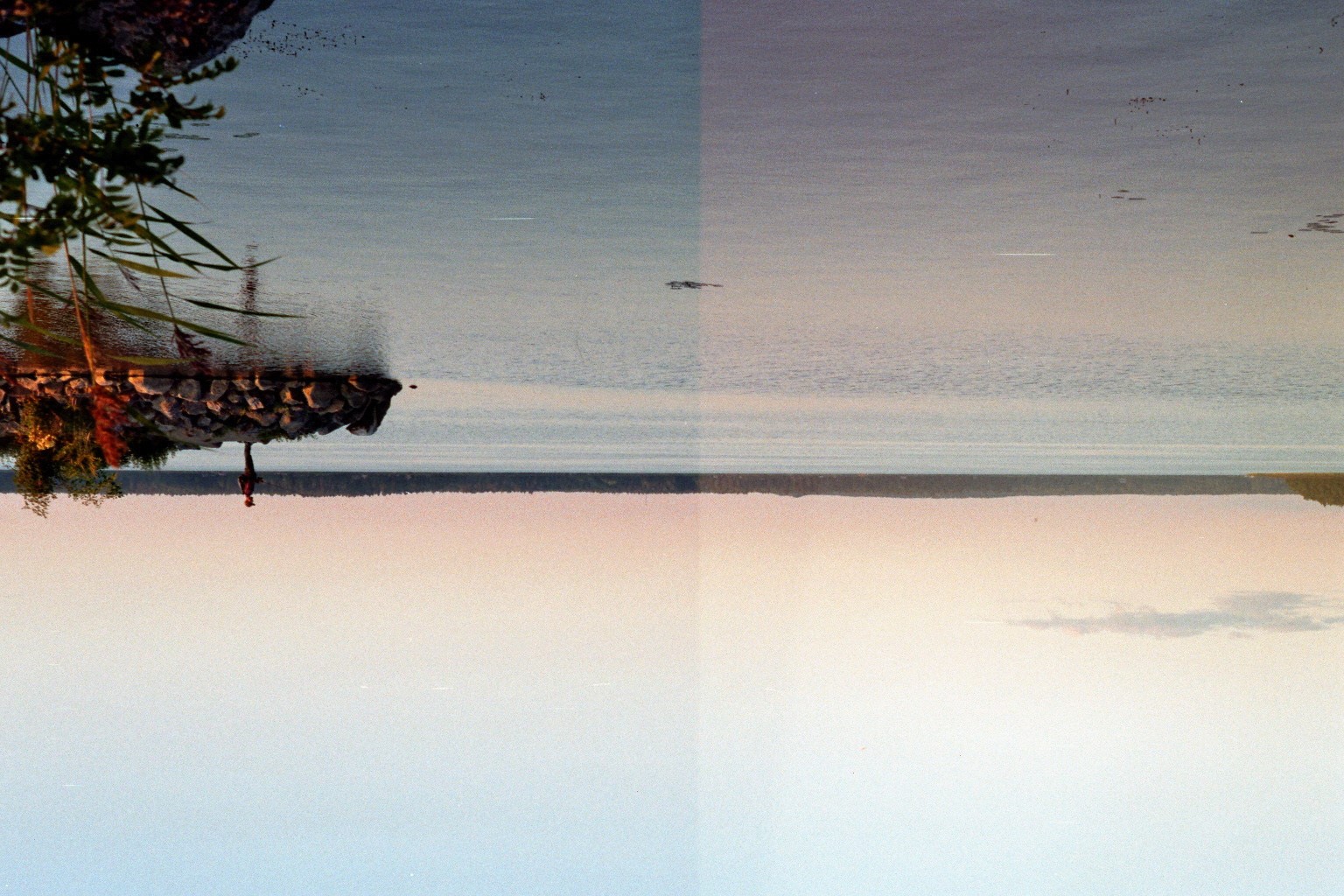
DOkA is not intended to replace a smartphone camera. It has no zoom, no reviewing, editing or deleting on-the-go. It doesn’t even have any settings. DOkA is intended to offer the only feature that a smartphone doesn’t have: limitations.
Despite its limitations, I still want this to be a usable camera, and there’s no usable camera without a viewfinder. For DOkA, the viewfinder will be its e-ink screen. No detailed preview, but a monochrome dithered image that is just enough to frame the photo. Design-wise, the main idea is “Leica meets Rams”: 2 buttons, a status LED, a screen and a USB-C port. Nothing more.
In the next makelog, I’ll explore how I can turn this idea into a working camera: what hardware to use, can everything fit in a portable enclosure and will the battery last for an entire trip?